Tehran, IRNA – The Islamic Republic of Iran Army has emphasized that the Army’s younger generation draws inspiration from the acts of heroism demonstrated by prisoners of war (POWs) and learns that loyalty to the homeland and obedience to the Velayat‑e Faqih (Guardianship of the Islamic Jurist) are the keys to overcoming all impasses.
Subject
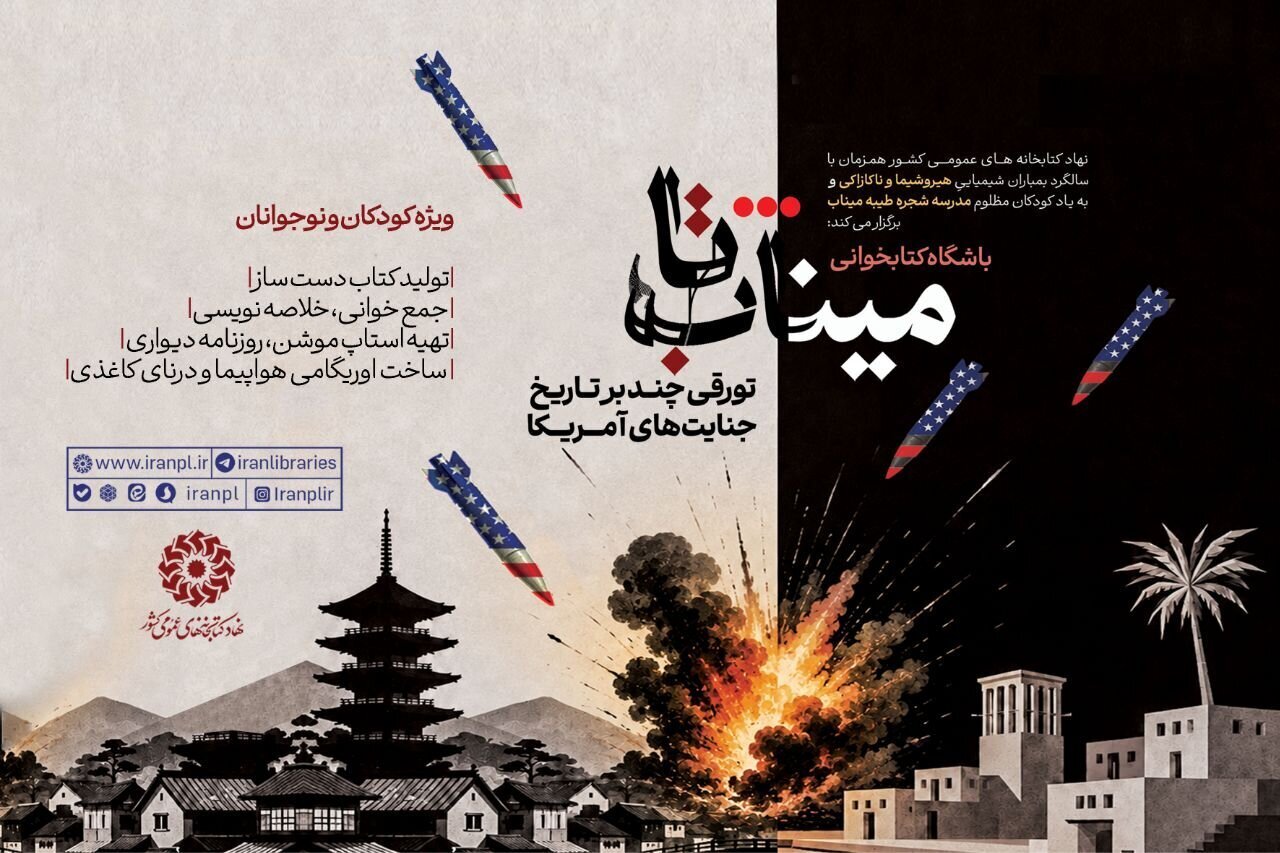
Iranian public libraries host “Toward Minab” reading club for children, teenagers
Public libraries across Iran are currently hosting a special reading club titled “Toward Minab,” coinciding with the anniversary of the US atomic bombings of Hiroshima and Nagasaki and commemorating the children killed in the attack on Shajareh Tayyebeh Elementary School in Minab.
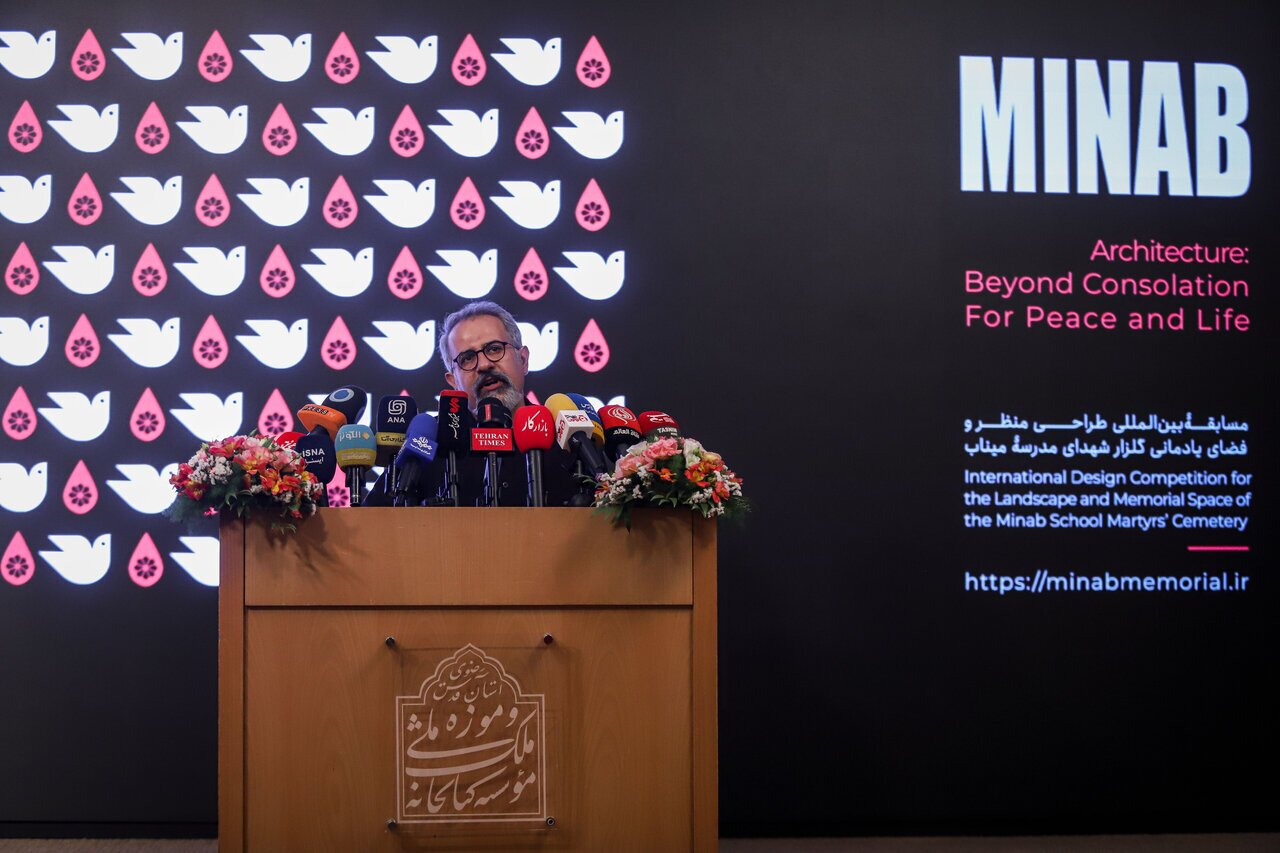
International competition launched to design Minab school martyrs’ memorial
TEHRAN – The International Landscape and Memorial Space Design Competition for the Minab School Martyrs’ Cemetery has been officially launched, seeking to create a lasting memorial space that honors the victims, preserves their stories and conveys a message of peace and resistance.
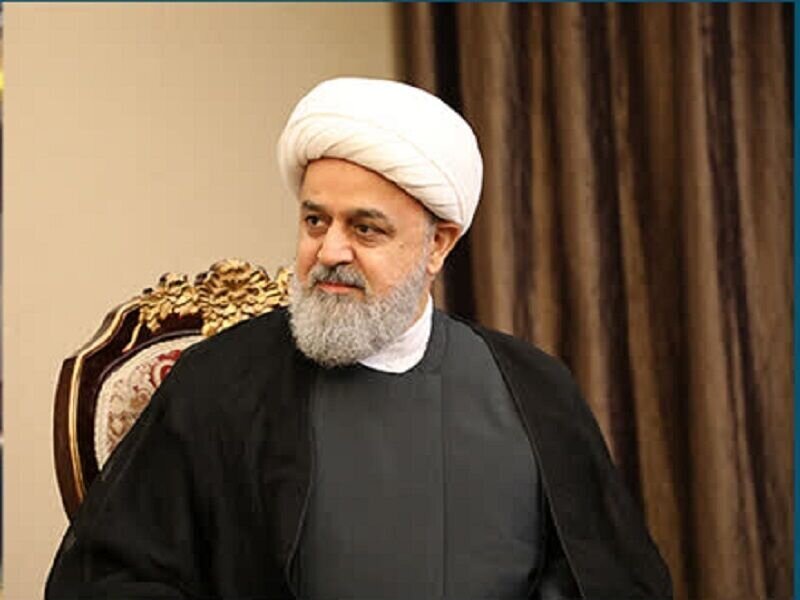
40th Islamic Unity Conference to be held in Tehran, Qom, Mashhad
The 40th International Islamic Unity Conference will be held in Tehran, Qom, and Mashhad, according to the secretary-general of the World Forum for Proximity of Islamic Schools of Thought.
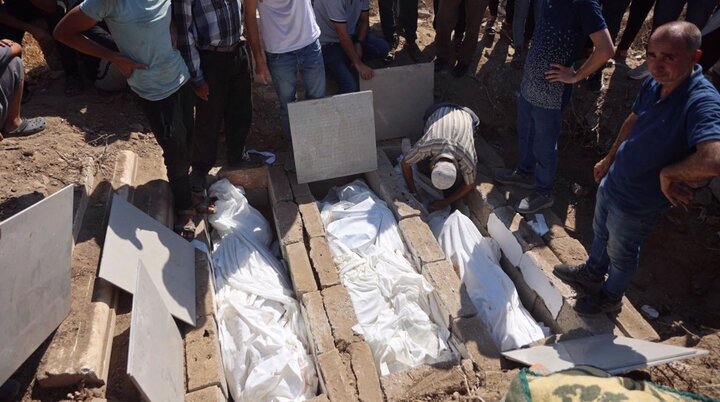
Death toll from Israel’s genocidal war on Gaza rises
At least 73,420 Palestinians have been killed and 174,369 wounded in the Israeli regime’s genocidal war on the Gaza Strip
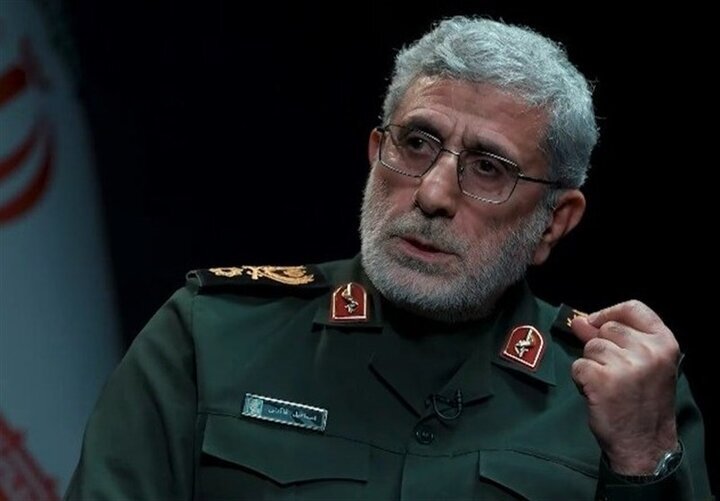
Palestinian cause more alive than ever: Qaani
IRGC Quds Force chief Esmail Qaani said Sunday the Palestinian cause "from the sea to the river" is more alive and attainable than ever, and that Israel's settlement expansion is an attempt to escape a deep internal crisis.
Iran Marks 40th Day of ‘Martyred Leader’ with Massive Memorial in Tehran
The 40th-day memorial ceremony for the late Martyred Leader of Iran was held at the Grand Mosalla of Tehran on Tuesday, August 17, drawing a massive crowd of mourners and dignitaries.
Yemeni Warning to Saudi Arabia: You Have No Choice but to Lift the Siege
The Yemeni Foreign Ministry issued a warning message in response to Saudi Arabia's hostile actions towards the country.
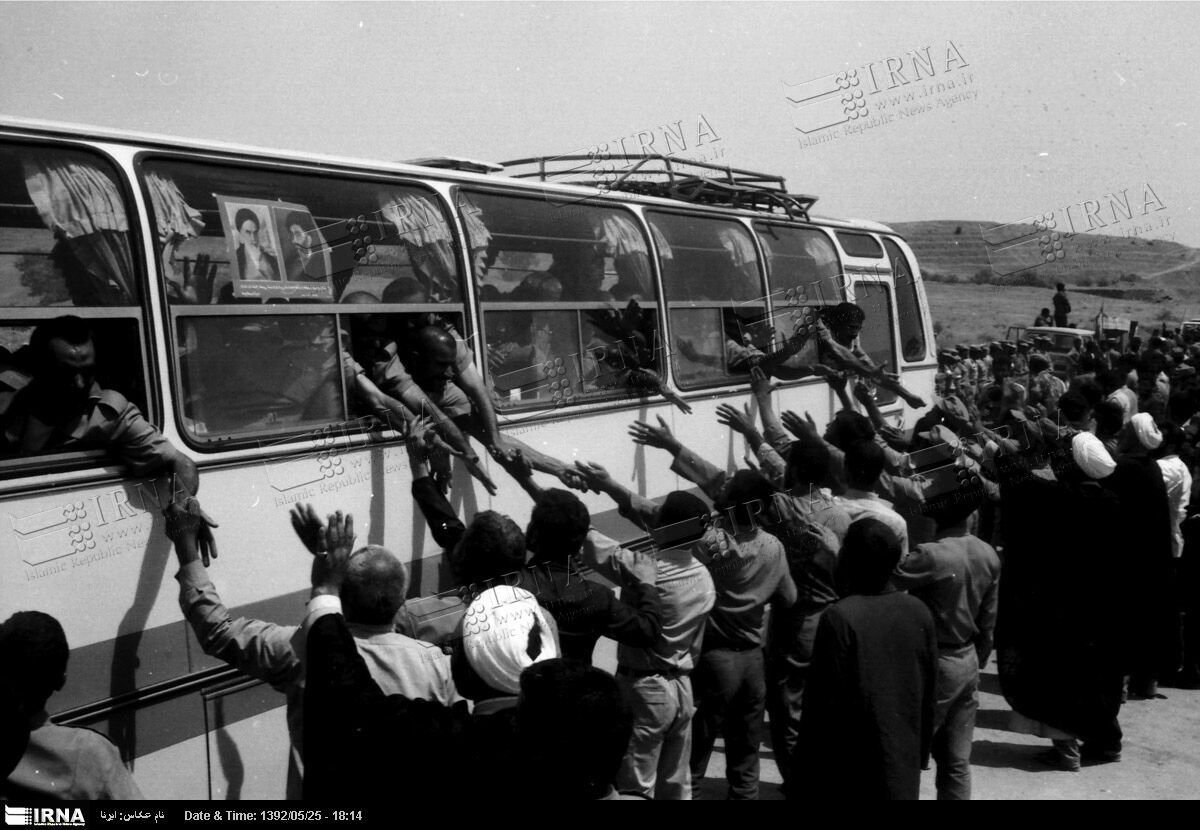
Iran Army calls loyalty to homeland, obedience to Velayat‑e Faqih keys to overcoming all impasses
Tehran, IRNA – The Islamic Republic of Iran Army has emphasized that the Army’s younger generation draws inspiration from the acts of heroism demonstrated by prisoners of war (POWs) and learns that loyalty to the homeland and obedience to the Velayat‑e Faqih (Guardianship of the Islamic Jurist) are the keys to overcoming all impasses.
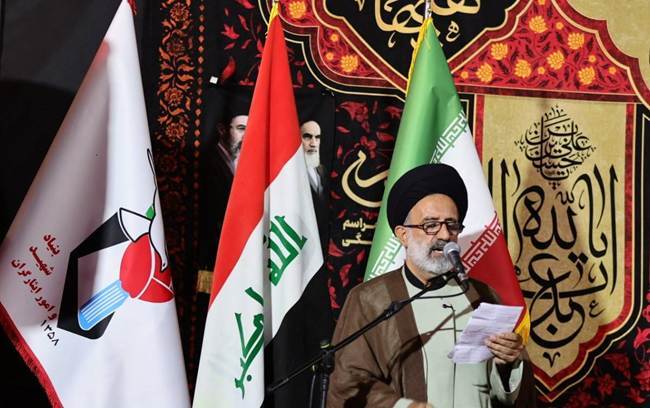
Leader’s Representative at Martyrs Foundation Thanks Iraq for Funeral Procession
The Representative of the Supreme Leader at the Martyrs and Veterans Affairs Foundation, in a speech delivered during the memorial ceremony for the martyrs of Shajareh Tayyeh School in Minab and the martyrs of the Dena vessel in holy Karbala, expressed his sincere gratitude and appreciation to the noble and brotherly Iraqi people for their massive participation in the funeral ceremony of Iran’s martyred leader.
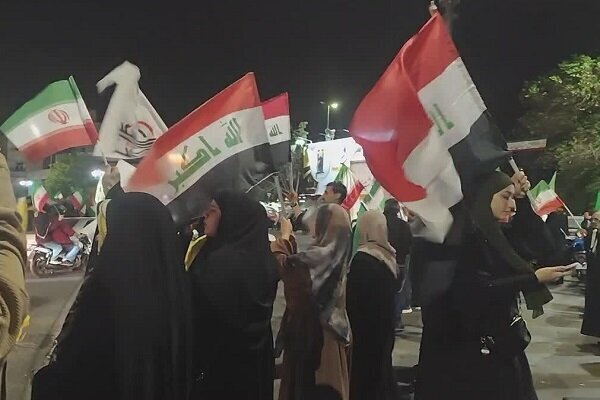
Millions in Iraq prepare to bid farewell to martyred Ayatollah Khamenei
TEHRAN – Iraq is making final preparations for a historic one-day funeral commemoration for Iran’s martyred Leader, Ayatollah Seyyed Ali Khamenei, with millions expected to take part in ceremonies in the holy cities of Najaf and Karbala.
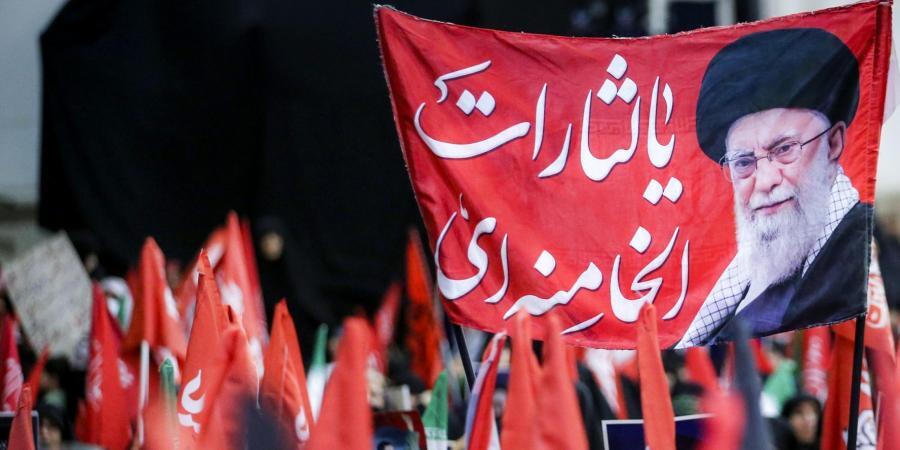
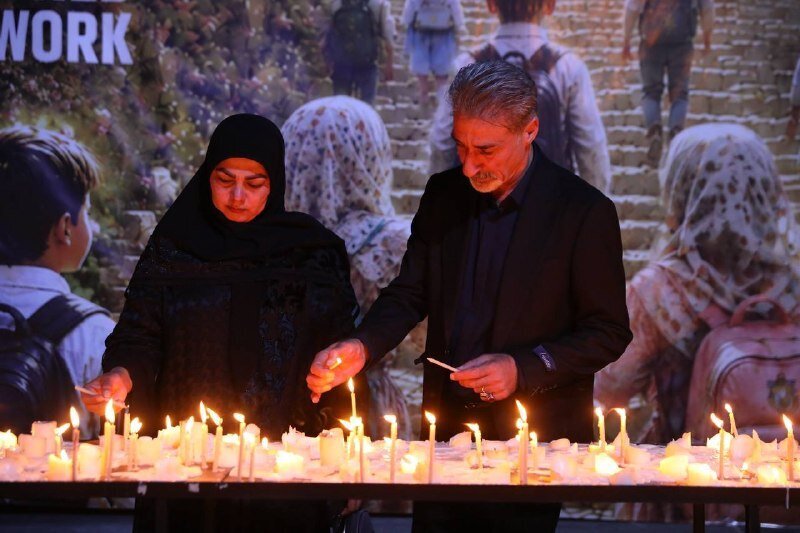
Tehran’s “Unfinished Homework” event honors 400 child martyrs in closing ceremony
TEHRAN- The closing ceremony of the "Mashq-e Natamam" (Unfinished Homework), a cultural and artistic event dedicated to the memory of over 400 Iranian children who lost their lives during the recent war, concluded on Friday at Tehran's Tabiat Bridge—the city's most expansive pedestrian landmark.
Analysis
The walls of Keshvar Dost Street: The story of Iranians’ longing for their martyred Leader
Zeinab Nadali, journalist
Unification of the Street and the Battlefield
In the following article, Dr. Gholamreza Mansouri discusses sacrifice and resistance as the central axis of Iranian unity during the Third Imposed War — a culture rooted in the religious beliefs of the people.
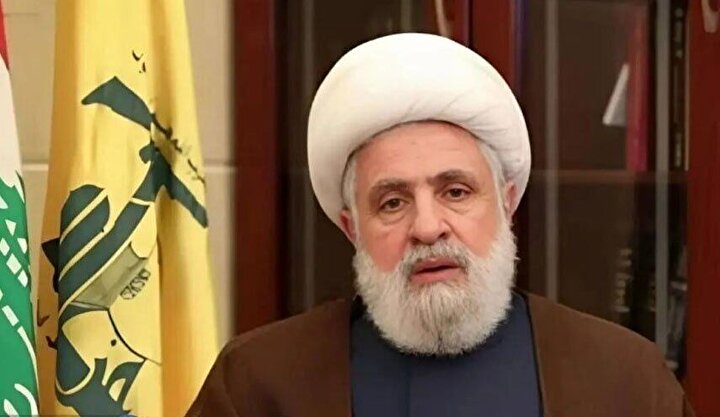
Imam Khamenei guided Islamic Ummah toward honorable, free life: Hezbollah secretary general
The secretary-general of Hezbollah, the Lebanese resistance movement, says that the martyred Leader of the Islamic Revolution Ayatollah Seyyed Ali Khamenei guided the Islamic Ummah and Iran toward an honorable, free, and independent life.
Martyrs of Abrahamic Religions: Symbols of National Unity and Cohesion
By Dr. Yaghoub Soleimani, Deputy for Cultural and Educational Affairs of the Foundation of Martyrs and Veterans Affairs
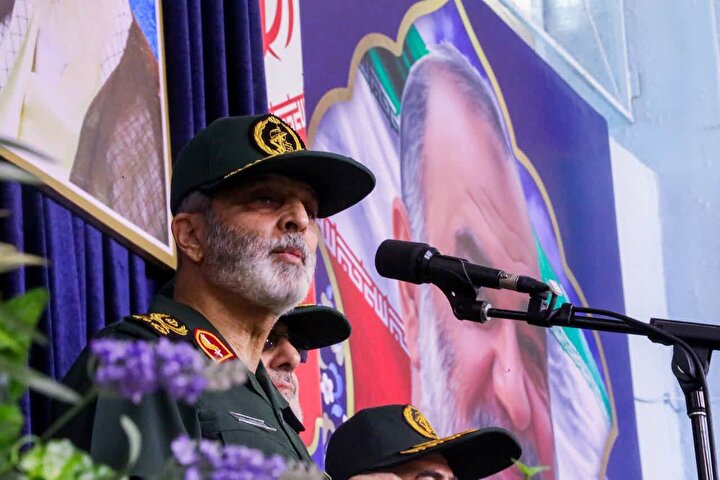
«Israeli regime has committed suicide»
General Mousavi expressed his gratitude to the families of martyrs and veterans
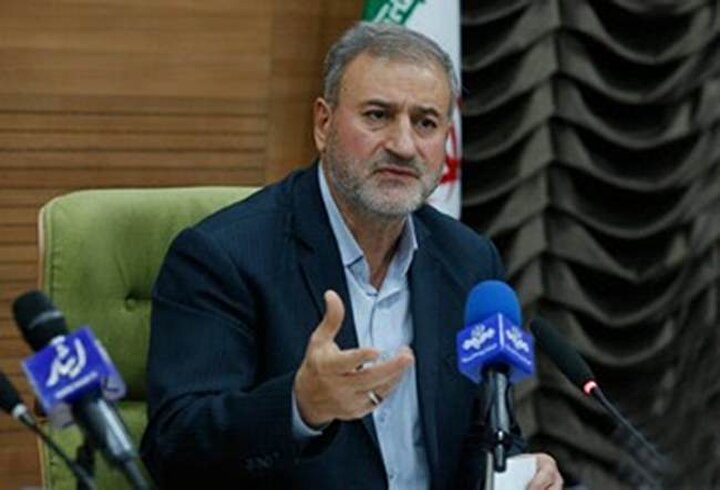
Research Week: Revisiting Our Responsibility for Iran’s Scientific Future
Yaqub Soleimani, Deputy for Culture and Education, Martyrs and Veterans Affairs Foundation
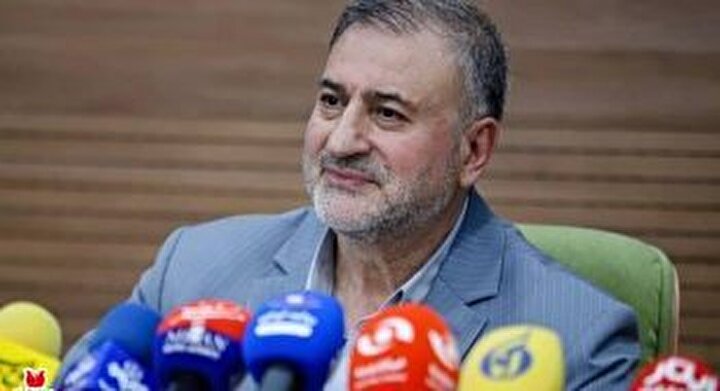
Students as the Standard-Bearers of Iran’s Progress, Independence, and Authority
Dr. Yaqub Soleimani, Deputy for Cultural and Educational Affairs at the Martyr and Veterans Affairs Foundation

Imam Khamenei’s message on the occasion of Sacred Defense Week
Imam Khamenei’s message on the occasion of Sacred Defense Week: Martyrdom is the reward for relentless struggle, whether in the 8-year Sacred Defense or in the heroic 12-day battle. The full text of the Leader’s message is as follows:
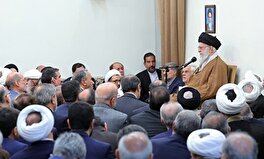
We're Neither Overly Optimistic Nor Overly Pessimistic about the Oman Talks
Imam Khamenei, the Leader of the Islamic Revolution, met with senior officials from the executive, legislative, and judiciary branches of the government on April 15, 2025.
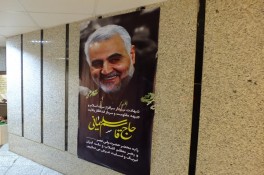
Memorial Service for Gen. Soleimani Held at Dar-ol-Quran Organization
NAVIDESHAHED –Iran’s Dar-ol-Quran Organization held a memorial service for former IRGC Quds Force commander Lieutenant General Qassem Soleimani who was martyred in a US drone strike in Iraq on Friday.
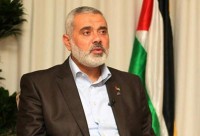
Hamas in pursuit of deepening ties with Iran
The political bureau of Palestinian resistance movement Hamas says the group is in pursuit of ways to deepen its ties with the Islamic Republic of Iran rejecting Washington’s requests for negotiation.
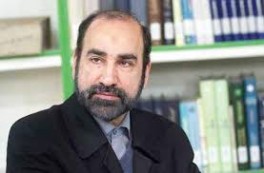
Wills’ of martyrs are a phenomenon and are a literary genre
A researcher and lecturer of university in professional meeting of “the week of research and art of Islamic Revolution said: the wills’ of martyrs are a phenomenon and they are a literary genre that if we don’t pay attention to them we would loss an important part of Holy Defense literature.
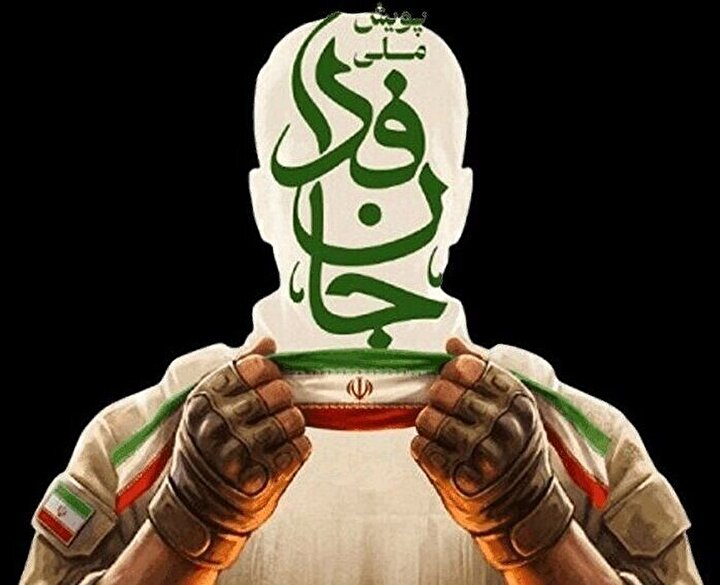
Analysis / Iran’s ’Life Sacrificer’: From a Social Campaign to a National Deterrence Doctrine Analysis
The "Life Sacrificer" campaign as a socio-political phenomenon in the current Iranian developments is symbolizing a profound bond among the Iranians and defense doctrines.
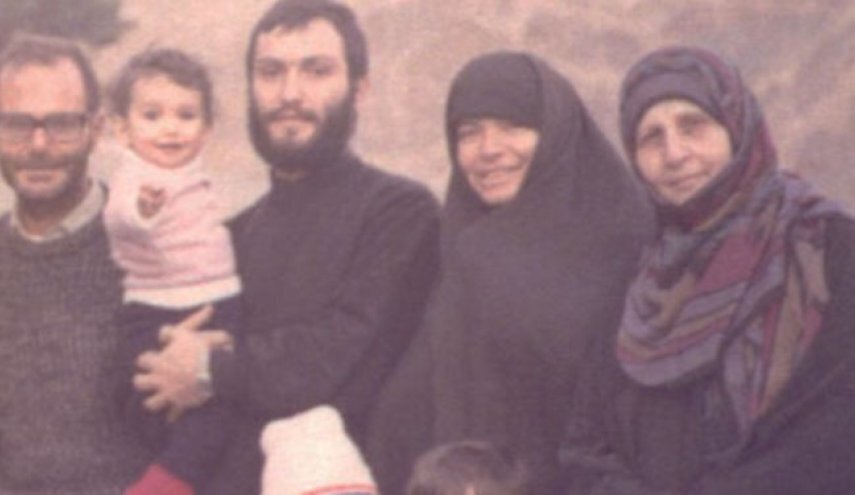
Zainab Mughniyeh:
We Would Suddenly Find Him beside Us, and Then He Would Leave Again
Beirut - It is impressive how every time something is written about Hajj Imad, the words captivate the readers’ eyes and hearts. There is no need for a structural or anecdotal display in the writing. It is only enough to read the name "Imad Mughniyeh" several times, carefully and with passion. Perhaps that beautiful mystery is the reason, or perhaps his abilities, personality, history and jihad are the cause. But the inevitable is that Hajj Radwan was the magic of the resistance and its secret. He was that distant unknown innovator, who was only near once he was martyred.
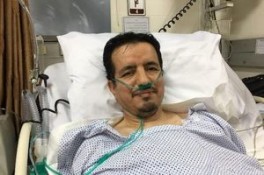
“The authorities have forgotten our shortness of breath”, Rahim Ali Bakhshi says.
Rahim Ali Bakhshi says: The authorities have forgotten that we are suffering the pains resulted from chemical weapons and they are looking for the documents of war. During the war no one was thinking about the documents that might be required later. No one knew that the effects of chemical weapons might appear on the body after 20 years. So they were not trying to get the documents relevant to the military operations… During the war all the fighters would try to stay in the battlefields more and to fight with the enemy.
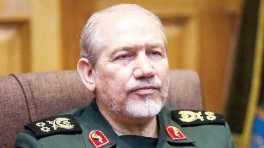
In an interview with General Rahim Safavi
Gen. Qassem Soleimani’s martyrdom represented Political - Security Failure of America
Untold facts on Israel-Hezbollah war in an interview with Major General Qassem Soleimani
After 20 years, for the first time since being appointed as the Chief Commander of Quds brigade, General Soleimani was interviewed by Khamenei.ir. The following is the full text of the interview:

An Interview with the writer of the book ‘War Crimes’
The United Nations Showed Green Light to Iraq In order to Commit Genocide against Iranians.
Ayatollah Ashrafi Isfahani in narration of martyr Mohammad Boroujerdi
I spent more than 2 years of my life in the service of Ayatollah Ashrafi Isfahani. I got familiar with him in Bakhtaran.
Samir Qantar in an interview with Navideshahed
It was 2009 when Samir Qantar participated at the political prisoners congress before the Islamic Revolution, we made a short interview with him.
Who were the Iranian martyrs of resistance in Iraq?
The Iranian resistance martyrs played an important in the battle of the Takfiri Terrorist Groups through the resistance during last 4 years.

Mohammad Taghi Fahim in an interview with Navideshahed;
Social Issar is the symbol of aesthetics in the art
If we remove the culture of Issar(sacrifice) from cinema, there would be no subjects for creating aesthetics. Mohammad Taghi Fahim said.
Shrine defender martyr's wife;
Hossein was martyred beside the Hazrat Zainab ( SA ) holy shrine
Hossein Tabesteh was the first shrine defender martyr of Shahroud ( city in Iran ) . his wife told us about his martyrdom … I will keep silence to those who spoke against these martyrs .
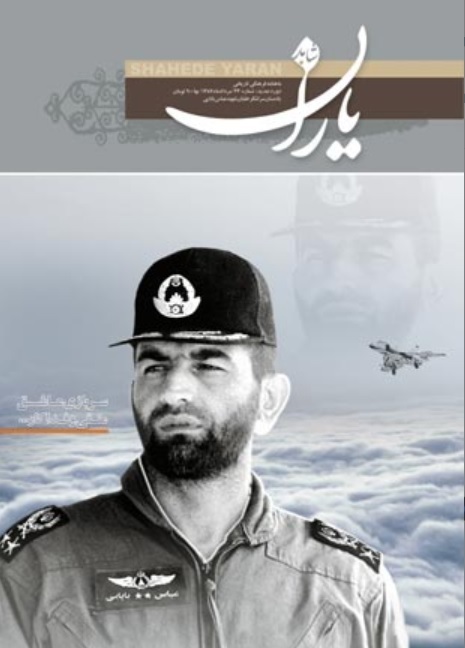
A Life in the Clouds, A Heart on the Ground: 17 Untold Anecdotes of Martyr Abbas Babai
On the occasion of the martyrdom anniversary of Major General Pilot Abbas Babai, the former Deputy of Operations for the Air Force of the Islamic Republic of Iran, we present a selection of untold memories from the historical monthly Shahed-e Yaran (Issue 33, September 2008).
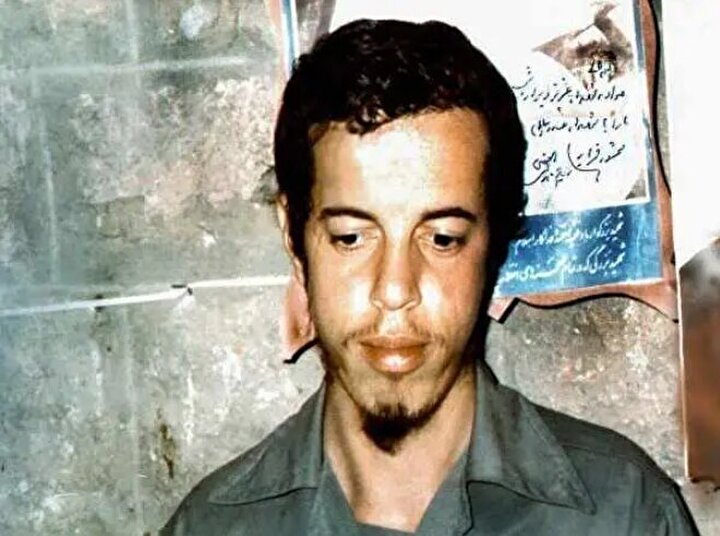
Martyr Hassan Bagheri: Journalist who redefined war equation
A young journalist-turned-commander, Hassan Bagheri, reshaped Iran’s battlefield intelligence during the Iran–Iraq War, turning fragmented reports into a structured operational system that influenced key war planning.
By Gholam-Hossein Eslamifard
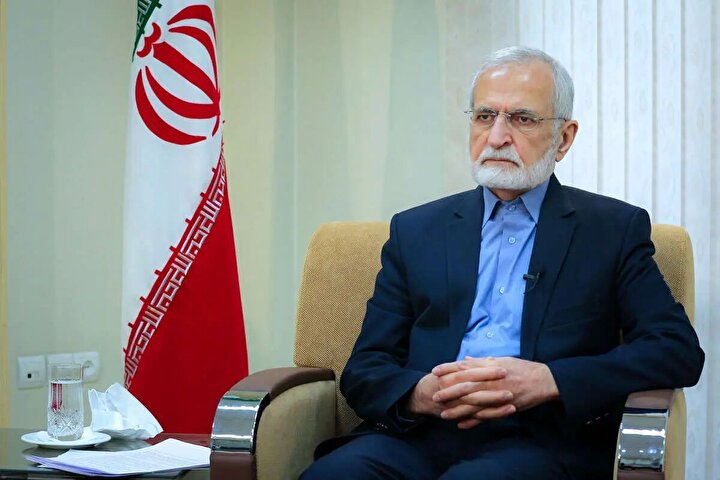
Multifaceted personality of Martyr Kharrazi
The name “Kamal Kharrazi” in Iran’s political memory is more than anything intertwined with diplomacy and foreign policy; but his record shows that we are dealing with a multifaceted personality who has played an effective and long-lasting role in both politics and science and technology.
Iran's Forensic Chief: 3,375 Martyrs Identified in Recent US-Israeli War, Including 496 Women
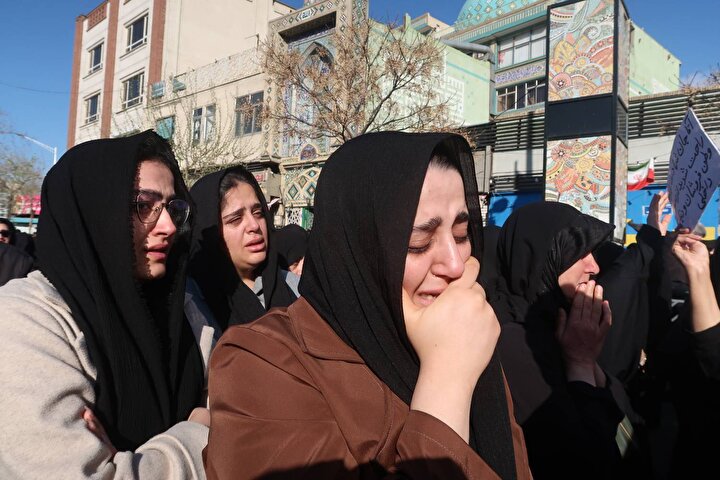
The head of Iran's Forensic Medicine Organization said that during the recent war between the United States and the Israeli regime against Iran, the remains of 3,375 martyrs were identified and confirmed by the country's Forensic Medicine Organization, of which 2,875 were male and 496 were female.
Grand Ayatollah Makarem Shirazi Condoles Over Martyrdom of Supreme Leader of Islamic Revolution
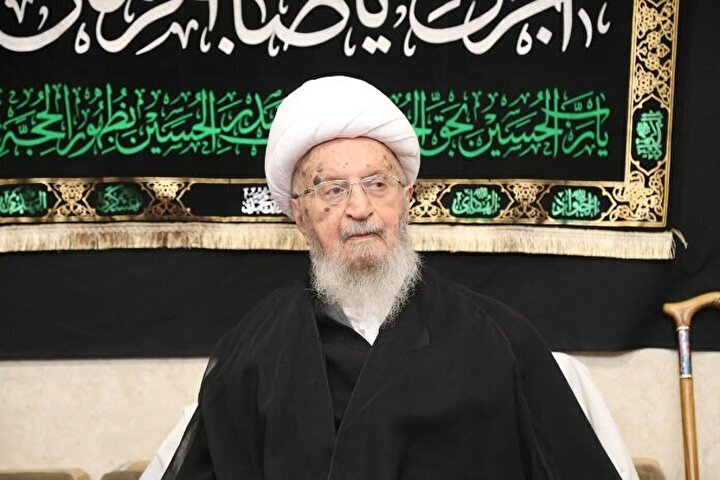
Grand Ayatollah Nasser Makarem Shirazi, following the martyrdom of the Supreme Leader of the Islamic Revolution, issued a message.
Glory to God and to the Sixteenth of February
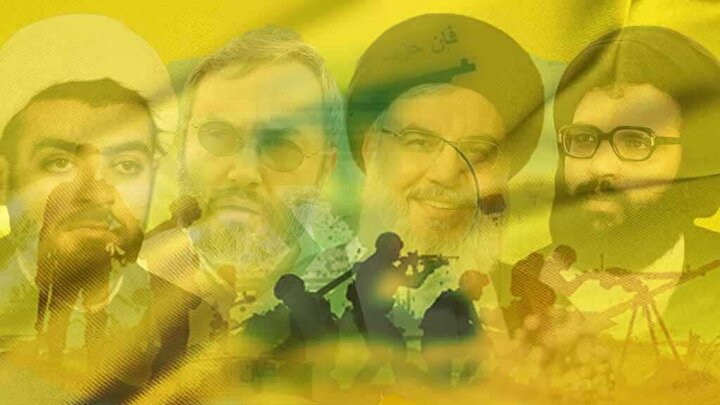
Sheikh Ragheb Harb, the Sheikh of the Martyrs of the Islamic Resistance, was a pioneering and exemplary figure-true in his faith in God and in the rights of His servants, both individual and collective; deeply conscious of his responsibility toward society and the homeland; tireless in striving and struggling to establish justice and liberation, to oppose oppression, to resist occupation, and to confront projects of humiliation and imposed tutelage.
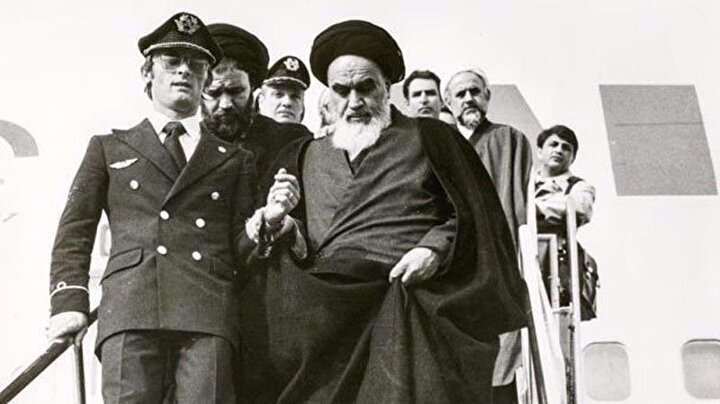
Iran starts 10-day celebrations of 1979 Revolution anniversary
The Ten-Day Dawn celebrations have got off to an ebullient start in Iran, marking the run-up to the 47th anniversary of the Islamic Revolution, which overthrew the US-backed Pahlavi regim
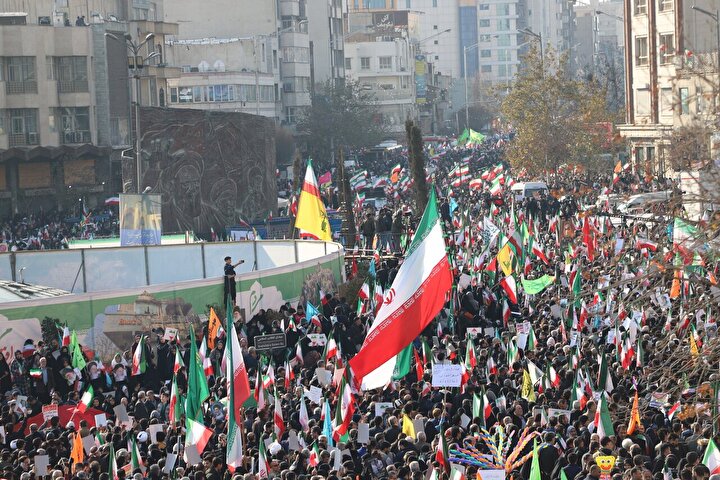
Iranians Unite against Zionist-American Terrorism
People across Iran held rallies on Monday to condemn the recent riots by armed terrorists affiliated with the US and the Zionist regime.
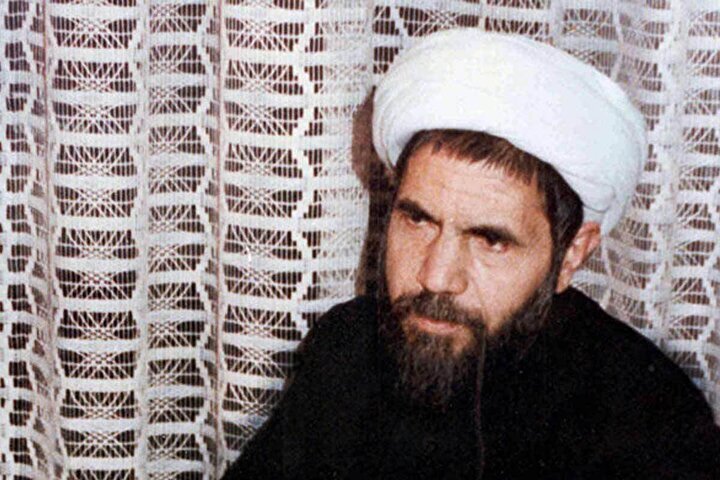
The Revolutionary Role of Martyr Dr. Mofatteh
Martyr Mohammad Mofatteh (1928–1978) was a dedicated scholar, a committed intellectual, and one of the prominent figures in the anti-Pahlavi struggle. He pursued his religious education in Qom while simultaneously earning a Ph.D. in Philosophy from the University of Tehran. This rare combination of seminary knowledge and academic scholarship made him a unique figure among revolutionary clerics.
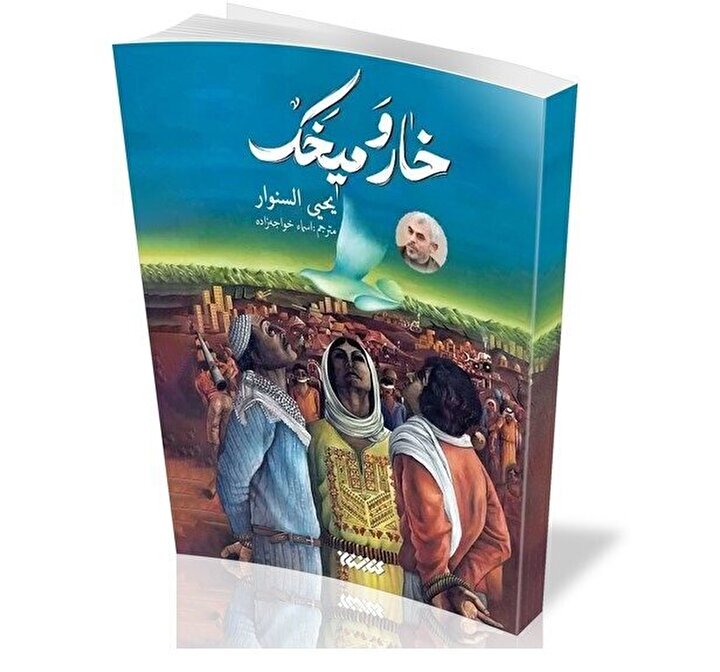
Story of Strength: Sinwar’s novel shows life in Palestine
"The Thorn and the Carnation," a novel by the late Hamas leader Yahya Sinwar, serves as a stark literary window into the heart of Palestinian life, conflict, and the relentless will to persevere.
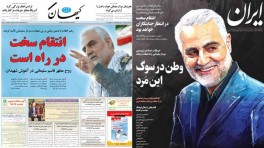
Iranian media react to Quds Force chief assassination
One day after the assassination of Iranian Lieutenant General Qassem Soleimani, the dailies across the country reacted to the tragic loss of one of the most admired figures in Iran, a man regarded as a “hero” and a symbol of national and religious pride.
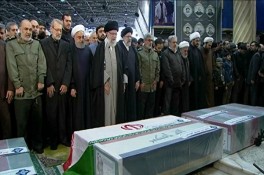
Ayatollah Khamenei Leads Salat al-Mayyit for Martyr Soleimani
Leader of the Islamic Revolution Ayatollah Seyed Ali Khamenei on Monday morning performed the ritual ‘prayer for the deceased’ (Salat al-Mayyit) in the funeral of top Iranian General Qassem Soleimani, who was martyred in a US airstrike last week.
The Supreme Leader and martyr Jahan Ara in Khorramshahr / Photos
The Supreme Leader of The Islamic Revolution Ayatollah Sayyed Ali Khamenei mentioned a memory from martyr " Mojammad Jahan Ara " through the memorial congress of the martyrs of Khorramshahr in the Friday prayer on 2003.
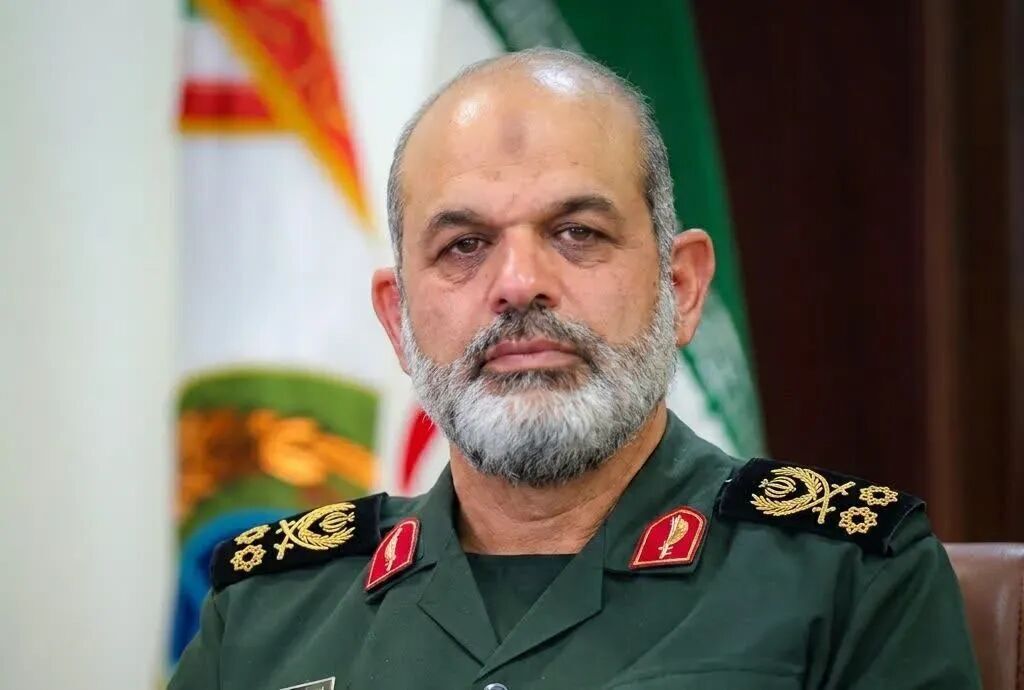
commander condemns US ‘terror attack’ on wedding ceremony
Tehran, IRNA – The Islamic Revolution Guards Corps Commander-in-Chief Major General Ahmad Vahidi has condemned the US attack on a wedding in Kuhestak as a terrorist act, saying it reflects the enemies’ hostility and inability to break the Iranian people’s resolve.
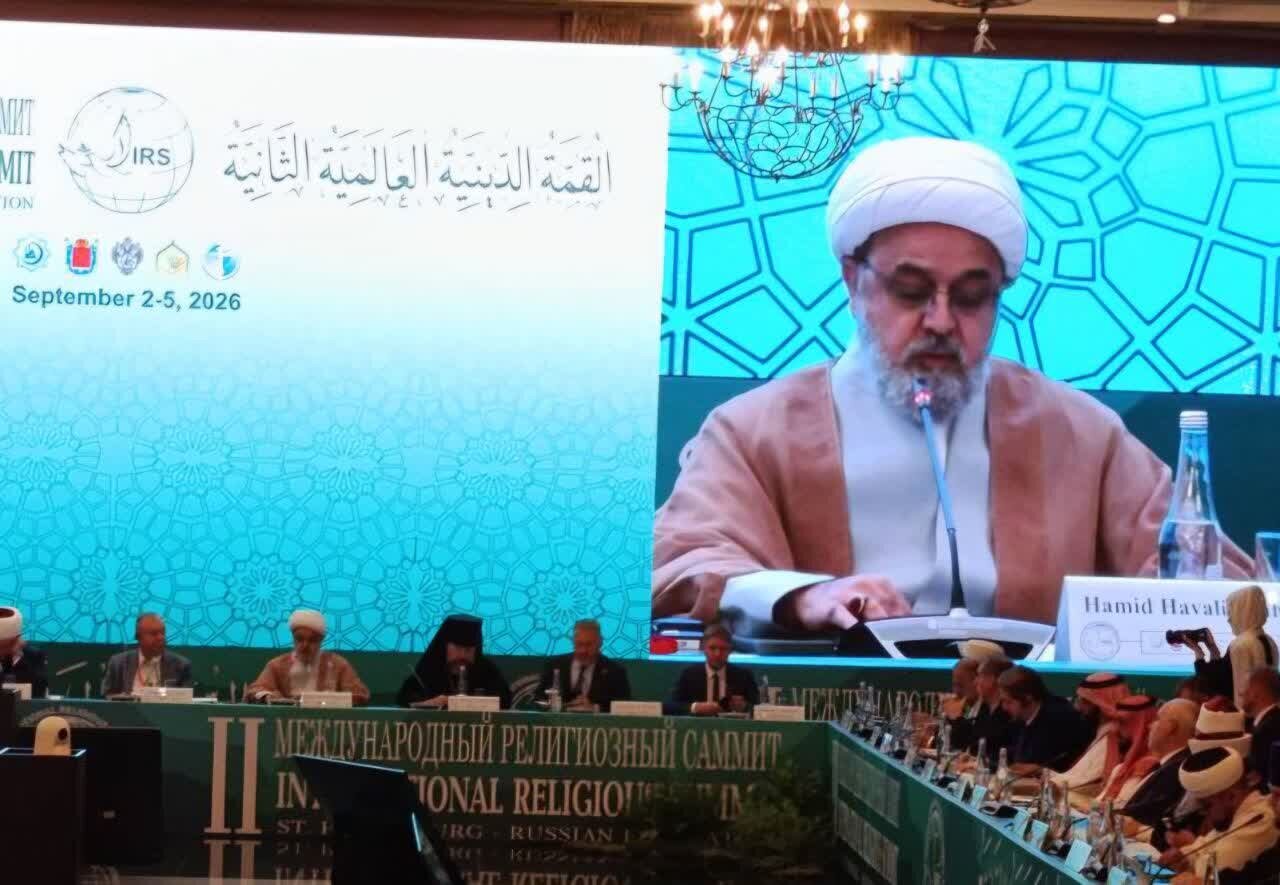
Cleric: Iranian Justice Become Model for World / Human Dignity, Red Line of Islam
Hojat al-Islam Dr. Hamid Shahriari, the Secretary-General of the Islamic World League for Islamic Rapprochement, at the International Conference of Religions in Russia, emphasizing that the Islamic Republic of Iran has stood against global arrogance by relying on dignity and justice, said, "Today, Iranian justice has become a model for the world, for it has revived hope in the hearts of the oppressed and astonished the entire world."
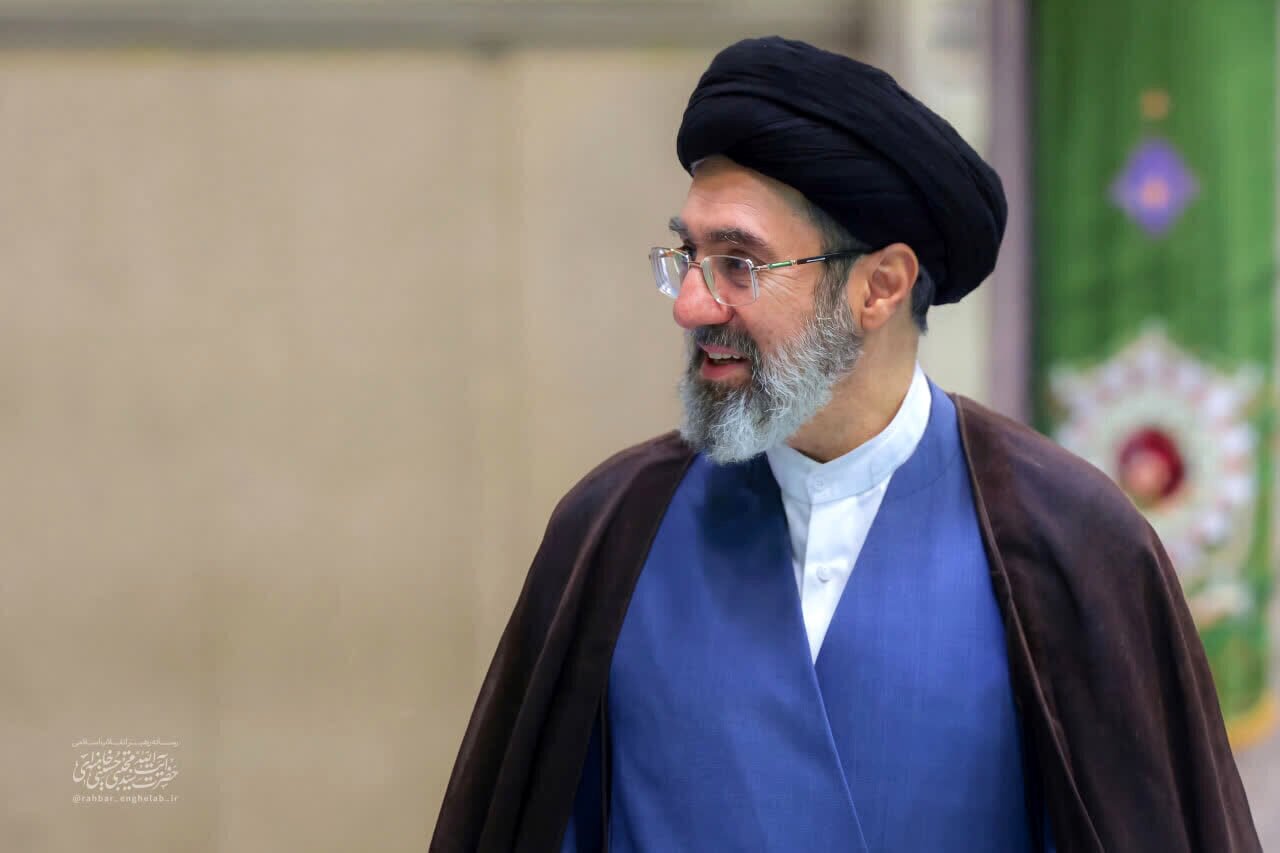
Untold Aspects of the Scholarly and Executive Conduct of Ayatollah Seyyed Mojtaba Khamenei; Part Two: Service to the Underprivileged and Establishment
Service to the underprivileged is one of the most important characteristics of the scholarly and executive conduct of Ayatollah Seyyed Mojtaba Hosseini Khamenei—a trait that goes beyond individual behavior and is, rather, a family tradition.
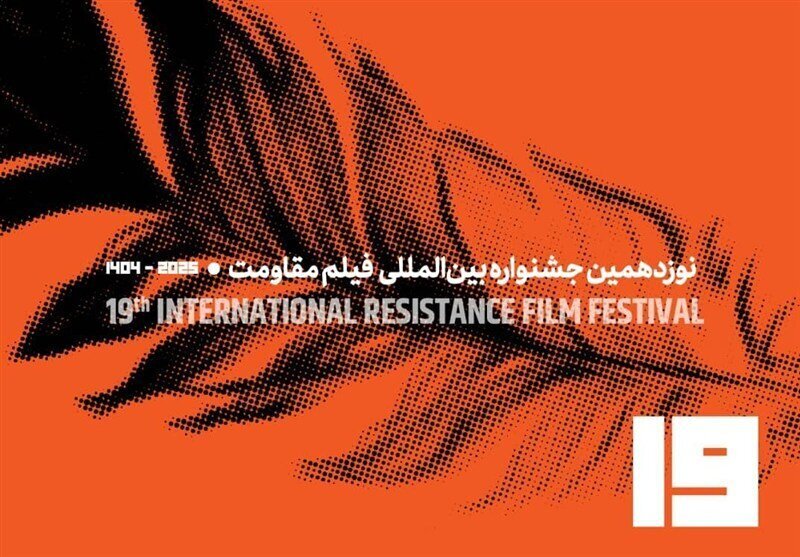
International conference to explore resistance cinema from theory to practice
The secretariat of the 9th edition of the Resistance International Film Festival has announced a call for papers for the international conference “Resistance Cinema: From Theory to Practice,” inviting researchers, academics, filmmakers, artists and cultural and media experts to examine the theoretical foundations and practical dimensions of resistance cinema
Official:
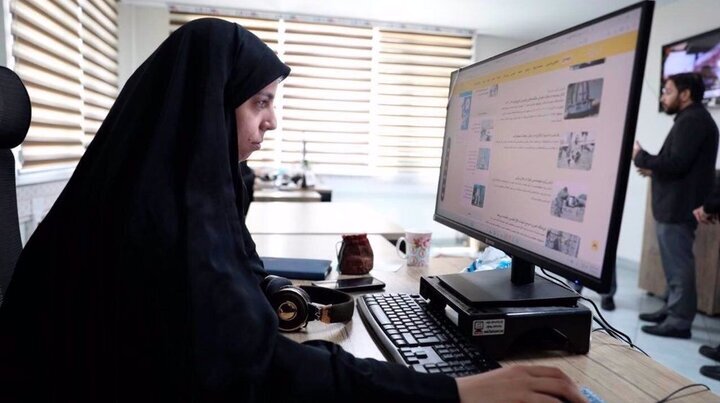
Over 350 media staff martyred in three imposed wars on Iran
The head of Iran’s Media Basij Organization says 353 media employees have been martyred in three imposed wars on the country in the 1980s, 2025 and earlier this year.
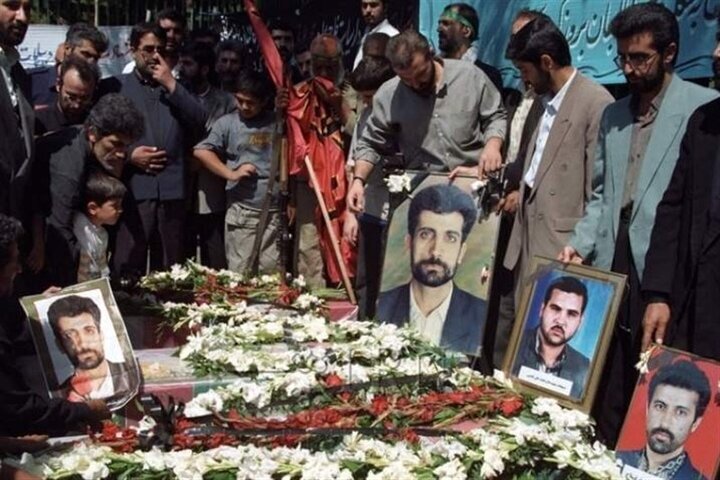
Iran FM seeks justice for diplomats killed in Mazar-i-Sharif
Iran’s Foreign Ministry vowed to pursue the perpetrators and masterminds behind the 1998 terrorist attack on the country’s Consulate General in Afghanistan’s Mazar-i-Sharif, which killed eight Iranian diplomats and a reporter.
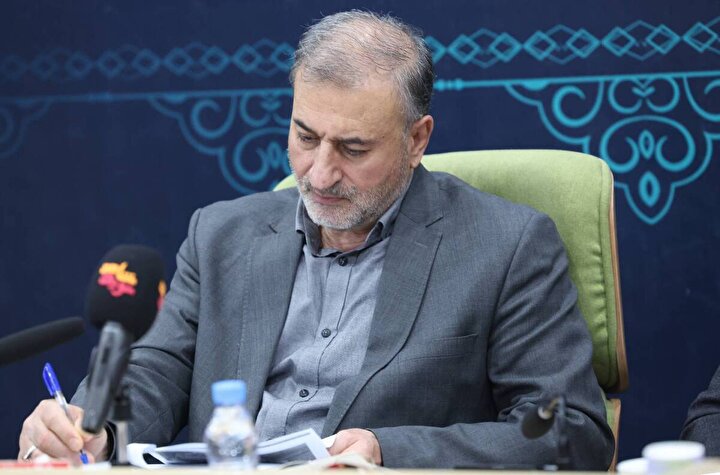
Journalists: The Heroes of the Narrative Front
By: Yaghoub Soleimani
Deputy for Culture and Education, Foundation of Martyrs and Veterans Affairs
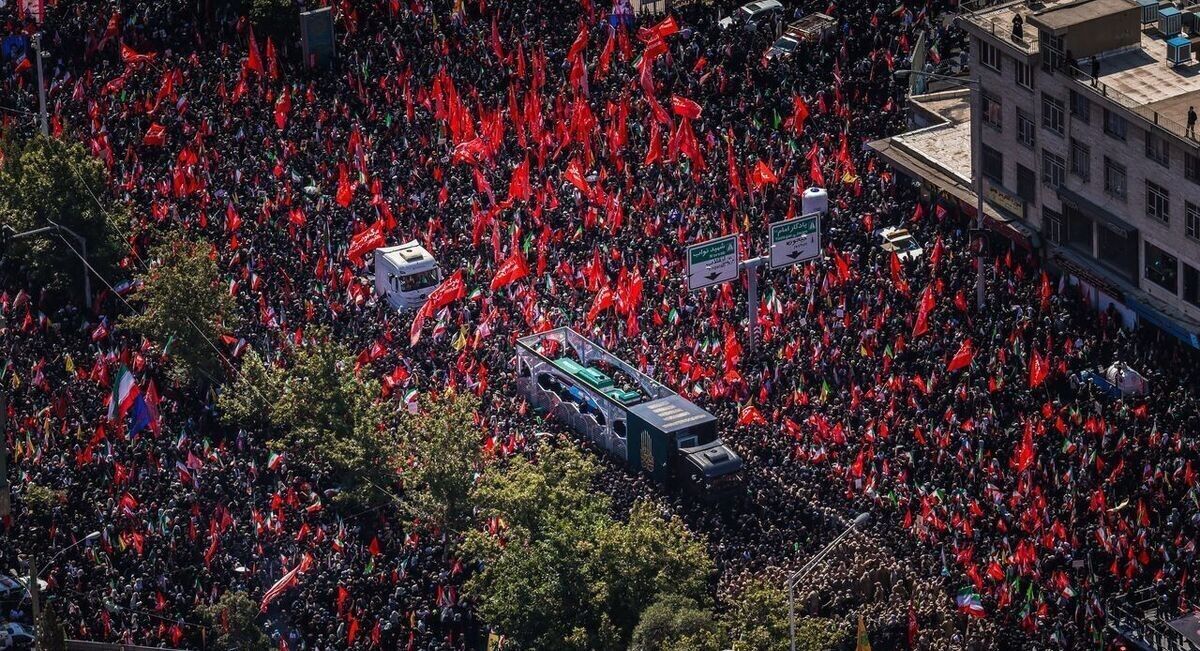
Iraqi PM to attend official reception for Iran’s martyred Leader’s body at Najaf airport: Source
Tehran, IRNA — An informed Iraqi source says Prime Minister Ali al-Zaidi will attend an official reception ceremony at Najaf International Airport on Tuesday for the arrival of the body of the martyred Leader of the Islamic Revolution, Ayatollah Seyyed Ali Khamenei.
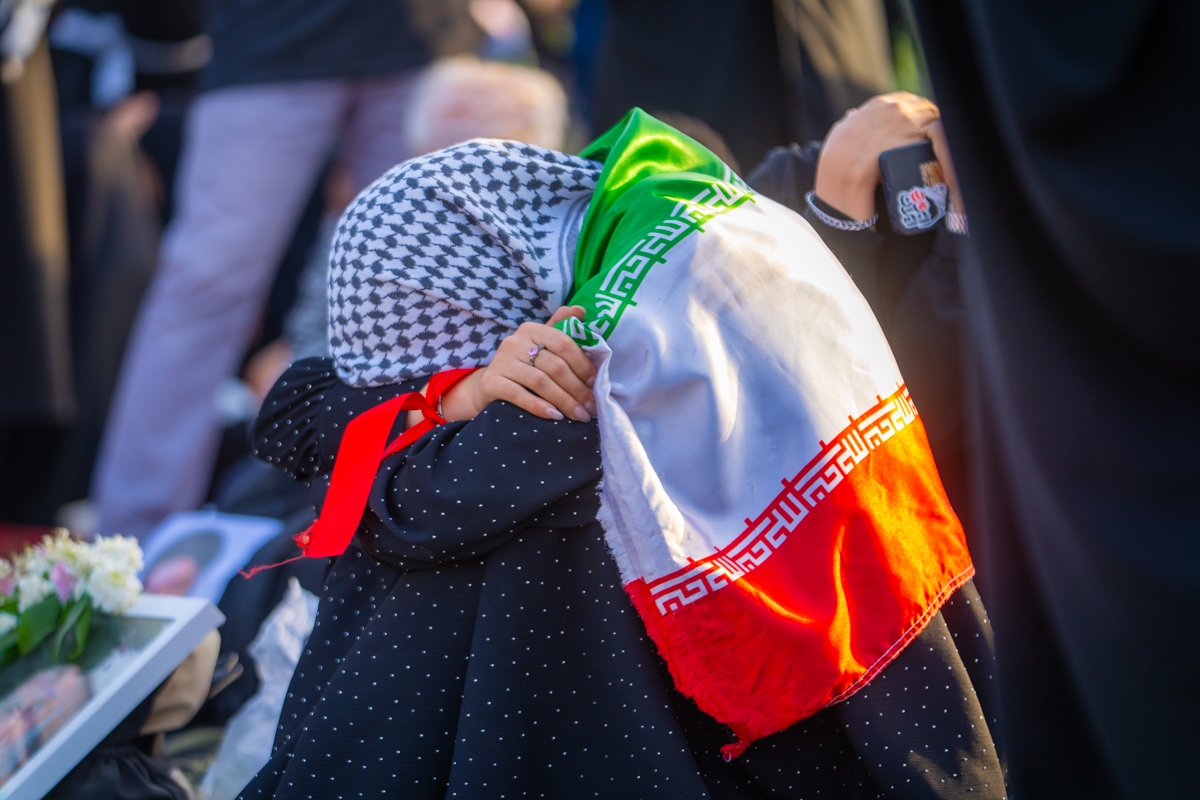
Funeral prayers held for martyred Leader at Qom’s Jamkaran Mosque
Millions of mourners gathered at the holy Jamkaran Mosque in the holy city of Qom on Tuesday morning as Grand Ayatollah Abdollah Javadi Amoli led funeral prayers over the coffin of the martyred Leader of the Islamic Revolution, Ayatollah Seyyed Ali Khamenei, and members of his family.
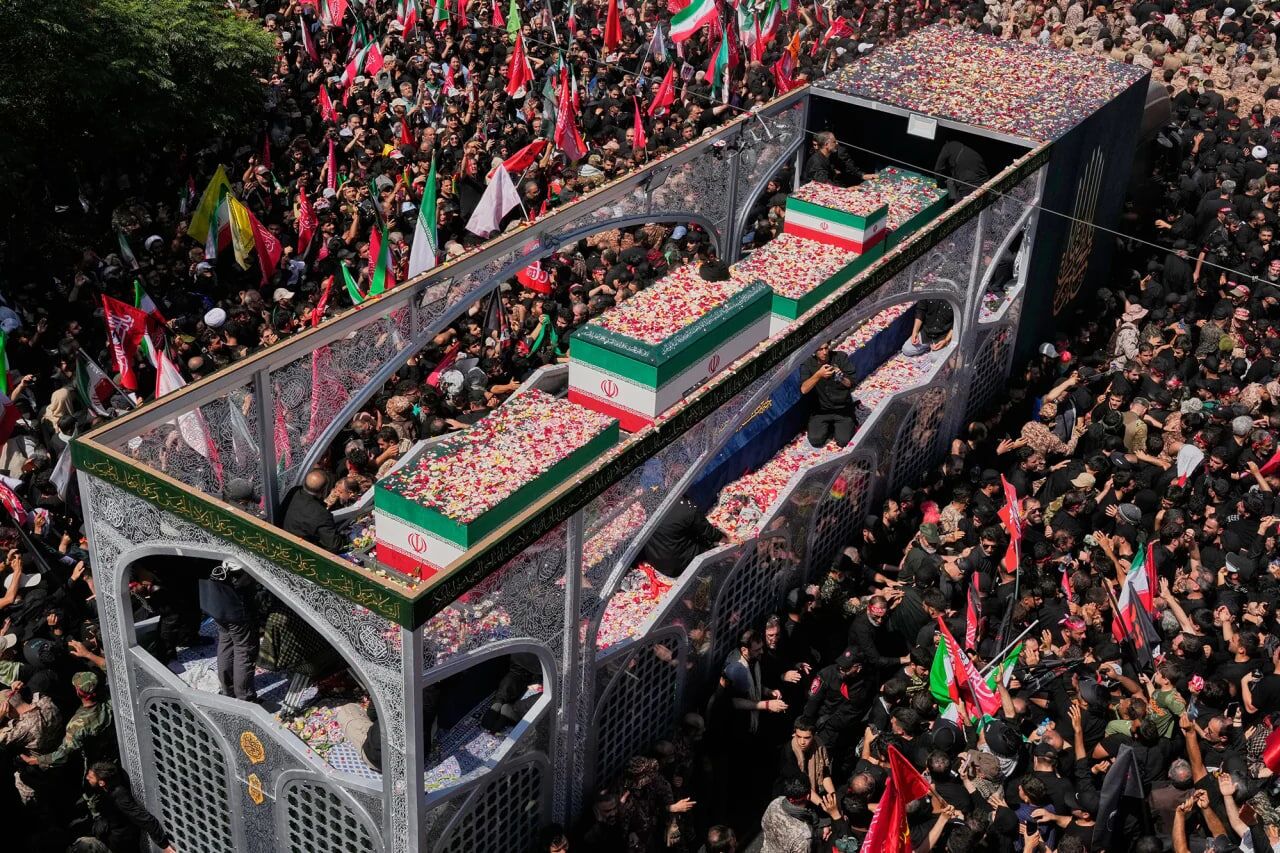
Iran dispatches relief teams to Iraq for martyred Leader’s funeral procession
The Iranian Red Crescent Society of Khuzestan Province, southwest Iran, has dispatched 15 relief teams to Iraq to provide emergency coverage during the funeral ceremonies for the martyred Leader of the Islamic Revolution, Ayatollah Seyyed Ali Khamenei.
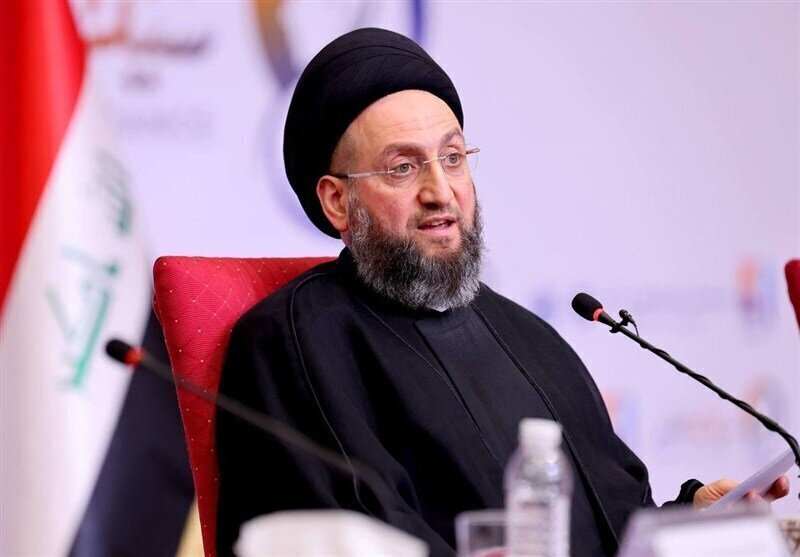
Funeral of Martyr Ayatollah Khamenei in Iraq reflects bond between two nations: Ammar Hakim
Sayyid Ammar al-Hakim, head of Iraq’s National Wisdom Movement, says the transfer of the sacred body of the martyred Leader of the Islamic Revolution for a funeral in the holy cities of Najaf and Karbala is a reflection of the sympathy and social solidarity shared by the Iranian and Iraqi nations.
Exclusive | American analyst describes assassination of Iran’s Leader as ‘major miscalculation’
American-Canadian political analyst and peace activist Robert Fantina says the assassination of the martyred Leader of the Islamic Revolution, Ayatollah Seyyed Ali Khamenei, represented a major strategic miscalculation that damaged the international standing of the United States and the Israeli regime.
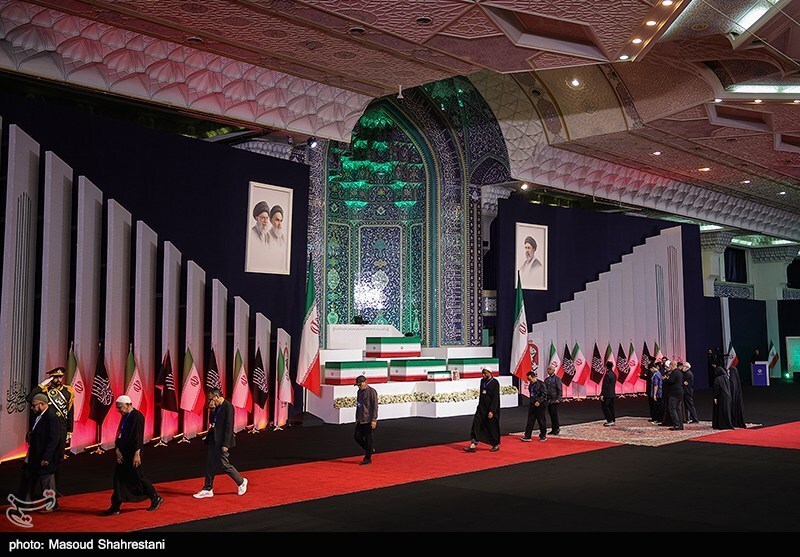
Foreign Dignitaries Arrive in Tehran to Pay Tribute to Martyred Leader
International delegations have begun arriving in Tehran to attend the farewell and funeral ceremonies for martyred Leader of the Islamic Revolution Ayatollah Seyed Ali Khamenei, with foreign officials and religious figures paying tribute to the late Leader upon their arrival.